
How to Cut Without Losing Muscle
A Bodybuilding Nutrition Coach’s Complete Guide

By: Jeremy Fox CNC, CPT
Published: July 13, 2025

If you’re trying to get leaner without sacrificing all the hard-earned muscle you’ve built in the gym, you’re not alone.
As a young bodybuilder, I made this mistake every cutting season—slashing calories and ramping up cardio, only to end up smaller, not shredded. It’s a mistake I see way too often, even among experienced lifters.
But I have good news – you can lose fat while maintaining your mass. It doesn’t take injections. It just takes a bit more strategy and precision.
In this guide, I’ll walk you through how to cut without losing muscle. These are the exact methods I’ve used myself and with clients to preserve size and strength during fat loss phases.
No generic advice here—just science-backed cutting strategies and real-world results.

Before and after photo of author successfully cutting without losing muscle.
How Fast Can You Cut Without Losing Muscle?
Before we get into the how-to, let’s talk about how fast you should be losing weight.
The most crucial factor in preserving muscle while cutting is the rate of weight loss. Go too fast, and you’re almost guaranteed to lose muscle. Go too slow, and you may never see results.
So what’s the sweet spot?
Research indicates that aiming to lose 0.5–1.0% of your body weight per week results in better muscle retention and performance compared to faster rates of weight loss.
That means:
- A 200-pound lifter should lose 1–2 pounds per week
- A 150-pound lifter should lose 0.75–1.5 pounds per week
Anything faster than that dramatically increases the risk of muscle loss—especially if you’re already lean or training hard.
Why? Because fast weight loss usually requires an aggressive calorie deficit, which can put your body in a catabolic state (breaking down muscle tissue). Plus, you’ll likely feel sluggish, weaker in the gym, and more prone to skipping workouts or cutting back on intensity.
Bottom line: slow, steady fat loss is key if you want to keep your gains.
I recently put this “slow and steady” shred to the test by targeting 0.5 lbs per week of fat loss (0.3% body weight), and ended up losing pure body fat while retaining muscle.
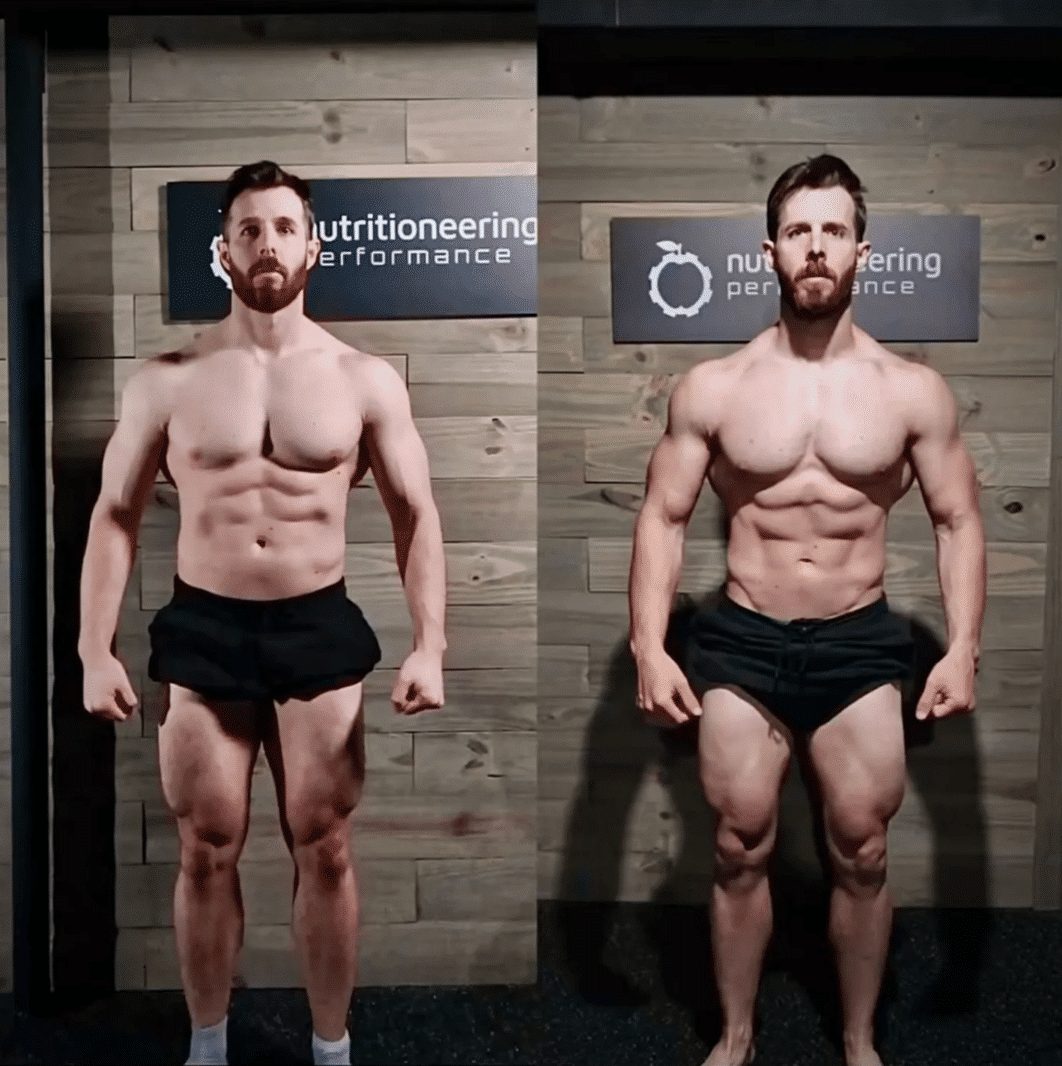
I used a minimal calorie deficit to cut 10 pounds of body fat in 6 months without losing muscle mass.
Use a Moderate Calorie Deficit (Not a Crash Diet)
When I was younger, I thought cutting meant slashing calories as hard as possible. I’d drop to 2,000 calories a day (while burning over 3,000) and wonder why I was losing size and strength by the week.
My initial attempts represented a 33% calorie deficit, which cut down muscle with the fat. For example, one study found that people on a 40% calorie deficit diet lost 4.5 lbs of muscle in just 3 weeks, while only losing 4 lbs of fat.
This research corroborates my experience. Now, I understand that less is more, and I teach my clients the same.
To cut effectively without losing muscle, aim for a 10–20% calorie deficit. For most people, that’s around 300–500 calories below your maintenance level.

Let’s say your maintenance is 2,800 calories:
- 10% deficit = 2,520 calories/day
- 20% deficit = 2,240 calories/day
This is aggressive enough to promote fat loss, but mild enough to maintain muscle.
And if you’re not sure where your maintenance calories are, start by using my Total Daily Energy Expenditure (TDEE) Calculator to find out based on your body size and activity level.
Remember, the goal isn’t just to cut calories—it’s to be in a strategic energy deficit.
Hit Your Protein Target (But Don’t Go Overboard)
Protein is your muscle-preserving safety net.
When you’re in a calorie deficit, your body looks for alternative fuel sources. If you’re not eating enough protein, it breaks down muscle tissue to meet its energy needs.
So, how much protein do you really need?
There’s no need to go crazy with 2+ grams per pound—more protein isn’t necessarily better. A systematic review found that consuming more than 0.74 g/lb did not lead to greater muscle gains.
But 1 g/lb is an easier target to remember and provides the best insurance against muscle loss while cutting.
Therefore, a good rule of thumb is to target 0.7–1.0 grams per pound of body weight to maintain muscle mass during a cut. That means:
- 160-pound person: 112–160g protein/day
- 200-pound person: 140–200g protein/day
I even tested this recommendation on myself by slashing my protein intake from 1.4 g/lb to 0.8 g/lb. Over the next 6 months, I actually gained muscle during my lean bulk and maintained it during my cut.

Still, the gram-per-pound method isn’t perfect. The relationship of protein needs based on body weight breaks down if you’re very overweight or very underweight.
For example, I would not have a 350 lb obese client eat 350 grams of protein! Likewise, a lean 130 lb person may need more than 130 grams of protein.
That’s when I recommend setting your protein intake as a percentage of your calorie intake. If your calories are on point, your protein will be too.
As a general guideline, targeting 20-30% of your daily calories from protein ensures you get enough to maintain muscle mass.
Use Refeeds to Support Metabolism and Recovery
One of the biggest mistakes I made early on was staying in a deficit for weeks on end with no break. My weight went down, but I lost as much muscle as fat.
Not to mention, I felt depleted in the gym and was always hungry. The issue wasn’t the magnitude of the deficit; it was the duration!
Even a moderate 20% calorie deficit can have negative implications if carried on for too long. Chronic calorie restriction leads to a loss of lean mass, a slowdown in metabolic rate, and an imbalance of hunger hormones.
That’s when I discovered refeeds. A short-term increase in calories—usually for 1–2 days—to maintenance level (TDEE) or slightly above, focusing on carbohydrates.
Refeed days work based on a concept called metabolic confusion, where you “trick” your body into thinking it’s not in a calorie deficit. But I prefer to think of it as giving your body what it needs to cut without losing muscle.
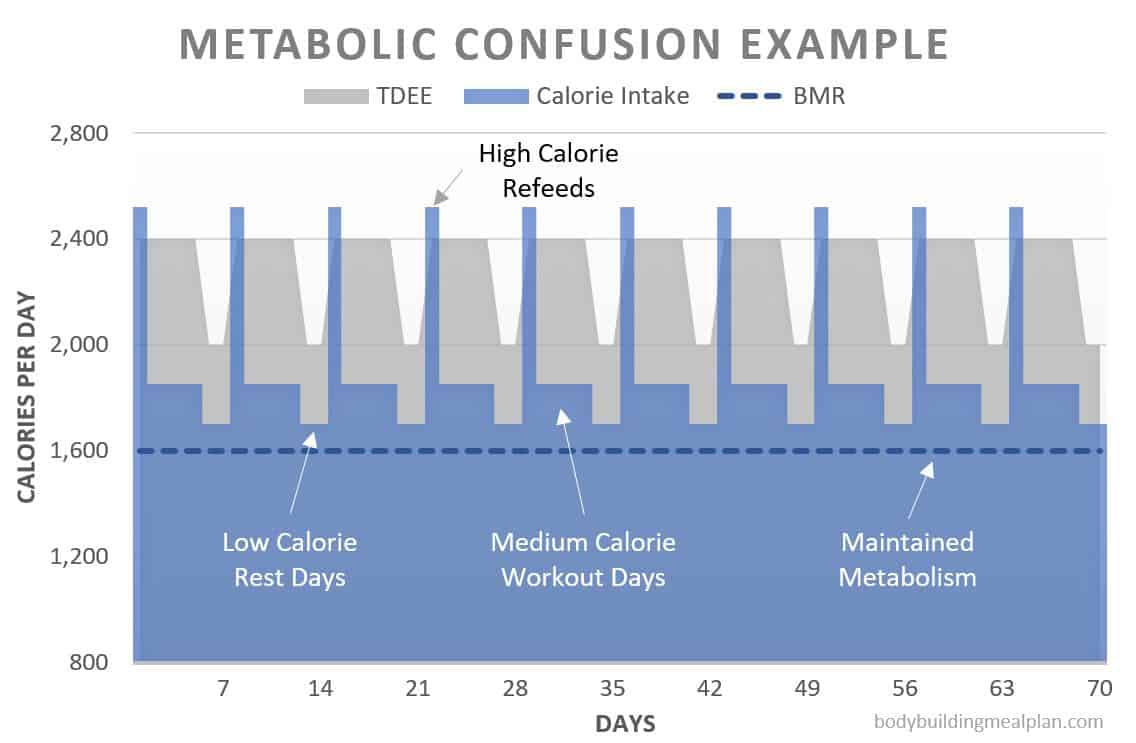
Benefits of refeeds:
- Replenish glycogen stores (for better training performance)
- Support metabolic rate (via leptin and thyroid hormones)
- Reduce mental burnout from continuous restriction
How often?
- Every 7–14 days is a good rule of thumb for most people
- Leaner individuals or those with more intense training may benefit from more frequent refeeds
This isn’t a “cheat day.” I typically eat mostly clean foods and avoid bingeing.
Remember, a refeed is a planned, strategic calorie increase, not an excuse to go off the rails.
Don’t Cut Carbs Too Low
Another common mistake is dropping carbs too low out of fear they’ll sabotage fat loss.
But carbs are your body’s primary fuel for high-intensity training—especially resistance training.
Low-carb diets may work for sedentary individuals, but for lifters trying to preserve muscle, they can backfire by:
- Reducing gym performance
- Increasing fatigue
- Slowing recovery
Instead of going keto, I recommend moderate carbs, adjusted to your training schedule. For example:
- Higher carbs on training days (especially around workouts)
- Slightly lower carbs on rest days
This concept of alternating between higher- and lower-carb days is called carb cycling. It’s a flexible technique I’ve used successfully for cutting, body recomposition, and lean bulking alike.

The truth is, extremely low-carb diets are popular because they’re simple and often result in faster, short-term weight loss. But one study showed that low-carb diets are not more effective than high-carb diets when calories are equal.
To prove this to myself and my clients, I ate 400 grams of carbs a day while getting down to 10% body fat.
I’m not saying everyone should follow a high-carb diet for weight loss – only that cutting carbs is not the cure-all it’s made out to be.
Prioritize Resistance Training
If your goal is to keep muscle, then lifting weights must remain your top priority.
Don’t fall into the trap of doing more cardio and cutting back on strength training during a cut. That’s a recipe for muscle loss.
Instead:
- Keep lifting heavy and hard—aim to maintain strength
- Focus on compound movements (squats, presses, rows, deadlifts)
- Use progressive overload (even in small ways)
You don’t necessarily need to increase weight. In fact, you’ll likely be lifting slightly less weight during a cut due to the lower energy intake. However, you should continue pushing for heavy weights as much as possible.
Another approach is called progressive volume training, where you gradually increase the number of sets you perform in a workout. Increasing volume works well during a cut as longer workouts typically burn more calories.
Using shorter rest periods between sets also keeps your heart rate higher, burning more calories. Minimizing downtime increases intensity, making your workouts more challenging without needing to continually add more weight.
In short, when your body sees you still need that strength, it has a reason to preserve your muscle mass.
Keep Cardio in Check
Too many people overdo cardio during a cut, spending up to an hour a day trudging away on a treadmill.
Yes, cardio can help with fat loss—but too much of it can eat away at your gains. The key is to efficiently burn calories from stored body fat without entering a deep catabolic state.
For burning fat without losing muscle, I recommend:
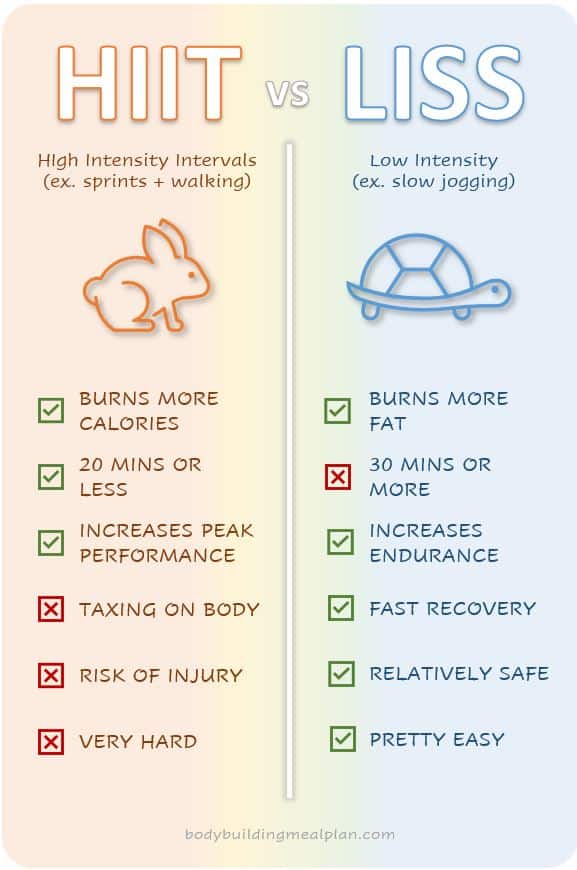
- A few 20-30 minute sessions of low-intensity steady state (LISS) cardio per week
- Try low-impact options like incline walking, cycling, or rowing
- Skip high-intensity intervals (HIIT) if you’re already lifting hard, as it can overtax your recovery
This advice differs from that of many other fitness instructors, so I recommend checking out my comprehensive guide on HIIT vs. LISS to understand why I suggest more low-intensity cardio for preserving muscle during a cut.
Also consider non-exercise activity (NEAT), such as walking, yard work, or standing—these activities burn calories without overloading your recovery system.
During my most successful cuts, the only cardio I did was riding my bike to the gym (20 min round trip). The majority of my fat loss came from diet and lifting.
Think of cardio as a supplement, not a primary strategy.
Stay Hydrated
Hydration doesn’t get as much attention as macros and workouts—but that doesn’t mean it’s not important.
When trying to lose weight, too many people reduce water intake thinking it’s helping lower the number on the scale. This is the wrong approach!
When you’re cutting:
- Drinking more water actually helps you lose more water weight
- You need to replenish more water due to higher activity levels with workouts and cardio
- Even slight dehydration can impair performance in the gym, leading to a loss of gains
Aim for at least 0.5–1 ounce of water per pound of body weight daily. Try my water intake calculator to see how much you need based on your body size and activity level.
Tips to stay hydrated:
- Start your day with 16–24 oz of water
- Sip consistently throughout the day
- Add electrolytes if training intensely or sweating heavily
Hydration helps keep your body functioning optimally, which supports better fat loss and muscle retention.
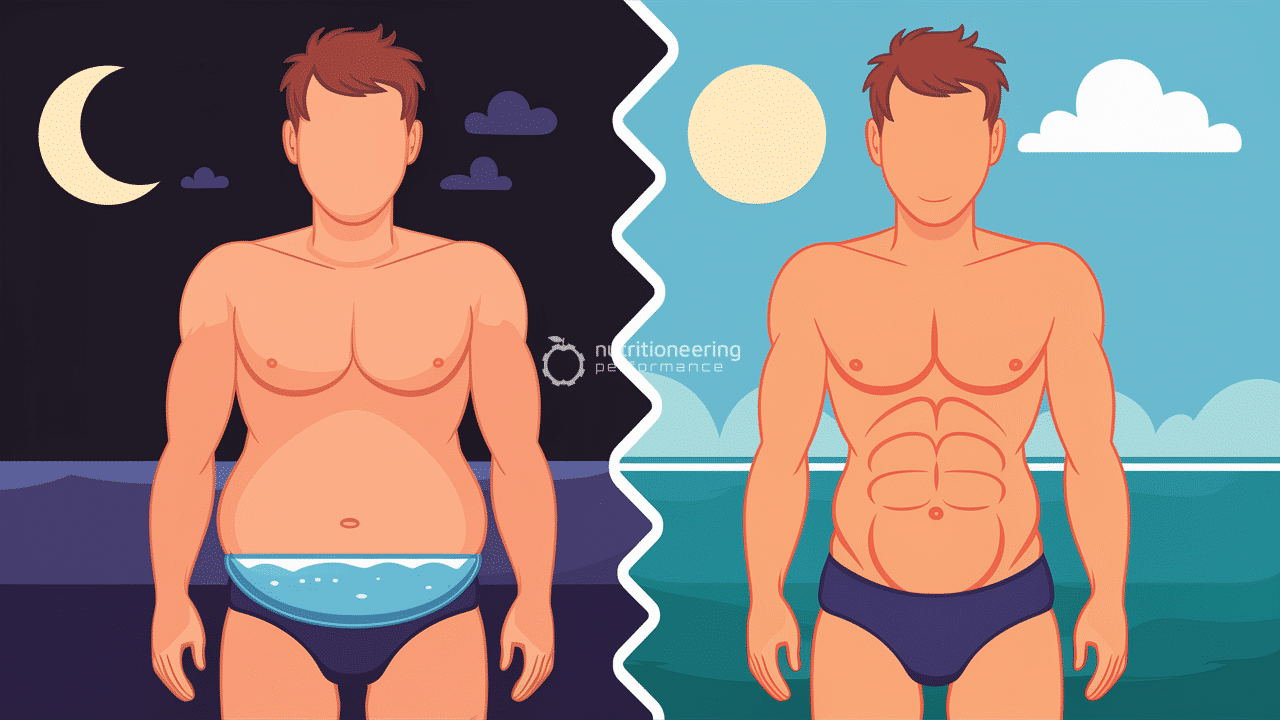
Ensure Adequate Rest and Recovery
Your body doesn’t grow during training—it grows during recovery.
Cutting can be a stressor. Combine that with lack of sleep or poor recovery, and muscle loss is all but inevitable.
To combat systemic stress and improve recovery:
- Sleep 7–9 hours per night consistently
- Manage stress with active recovery, stretching, or meditation
- Use rest days and deload weeks as needed
Also, avoid program hopping or training beyond your capacity. Smart training and quality sleep are your best allies in maintaining muscle.
Consider Muscle-Sparing Supplements
Supplements aren’t a shortcut to offset a bad diet or lame workout rouitne. But they can help fill gaps and optimize muscle retention during a cutting phase.
The best muscle-preserving supplements:
- Whey Protein
- Fast-digesting, ideal post-workout or between meals
- Helps meet daily protein targets with ease
- Creatine Monohydrate
- Supports strength and performance even in a deficit
- One of the most researched, proven supplements
- BCAAs or EAAs
- May help during fasted workouts or deep deficit phases
- Can support recovery and reduce muscle breakdown
I use whey and creatine year-round, whether bulking or cutting. And add a few grams of EAAs to post-workout shakes or during periods where I’m fasting but want to maintain net positive protein synthesis.
Check out my complete guide to creatine supplementation if you’re worried about gaining water weight or unsure about the dosage and timing.

Don’t Get Hung Up On the Scale
I always tell my clients, “The scale only tells part of the story.” The reason is that it can’t tell you if you’re losing fat or muscle. And if the scale’s not moving as fast as you expected, it can incentivize the wrong actions, such as cutting calories further.
That’s why I recommend measuring body fat percentage along with scale weight. I’ve used high-tech methods, such as hydrostatic weighing and electrical impedance, but found them to be less accurate and precise than a simple set of body fat calipers.
Check your body weight and body fat percentage at least once a week to make informed decisions about calorie, macro, and workout changes.
Nevertheless, body composition as one key performance indicator (KPI) among several. Also pay attention to how you look, how you feel, and your appetite.
Final Thoughts: Cut Smarter, Not Harder
If there’s one thing I’ve learned from my own experience and coaching others, it’s this:
You don’t have to choose between being lean and being muscular.
Yes, it takes patience. Yes, it takes precision. But if you follow the methods outlined here—slow, strategic fat loss, solid training, smart recovery—you can cut without sacrificing your gains.
If you’re ready to start your cut and want to know exactly how much to eat, use my fat loss meal plans and workout routines as a roadmap. You get a personalized calorie target tailored to your body size, training schedule, and fitness goals.
👉 Click Here to Try Your Custom Fat Loss Meal Plan
Cut smart. Stay strong. And don’t lose the muscle you worked so hard to build.