

How Many Calories Should I Eat to Bulk?
A Smarter Approach for Serious Lifters

By: Jeremy Fox CNC, CPT
Updated: June 21, 2025

As a nutrition coach, clients often come to me because they struggle to gain muscle and want to get on a bulking meal plan. Most of the time, their lack of progress comes down to one of two problems:
- You try eating more, but fail to gain any weight or muscle mass
- You gain weight on the scale, but most of it ends up in your midsection
Both issues stem from not eating the right amount of calories for muscle gain. And the solution is finding the appropriate calorie intake to support your bulking goals.
However, generic calorie calculators often miss the mark and even make the problem worse! That’s why I created a more accurate method for calculating your bulking calorie intake.
In this article, I’ll break down exactly how many calories you need to bulk based on your body composition and lifestyle. Plus, I’ll show you how to calculate a personalized calorie target using the same system I use with coaching clients and inside my meal planning service.
What Does “Bulking” Really Mean?
Bulking simply means eating in a calorie surplus to support muscle growth. But the keyword here is controlled.
Too many lifters hear “bulk” and think it’s an excuse to eat everything in sight. Others are so cautious they barely eat above maintenance—and end up spinning their wheels.
The truth is, bulking should be strategic. You want to eat just enough extra calories to consistently build muscle while minimizing fat gain.
And that’s where most calculators go wrong—they don’t understand the assignment and ignore the individual.

Beware the “Intuitive Eating” Trap When Bulking
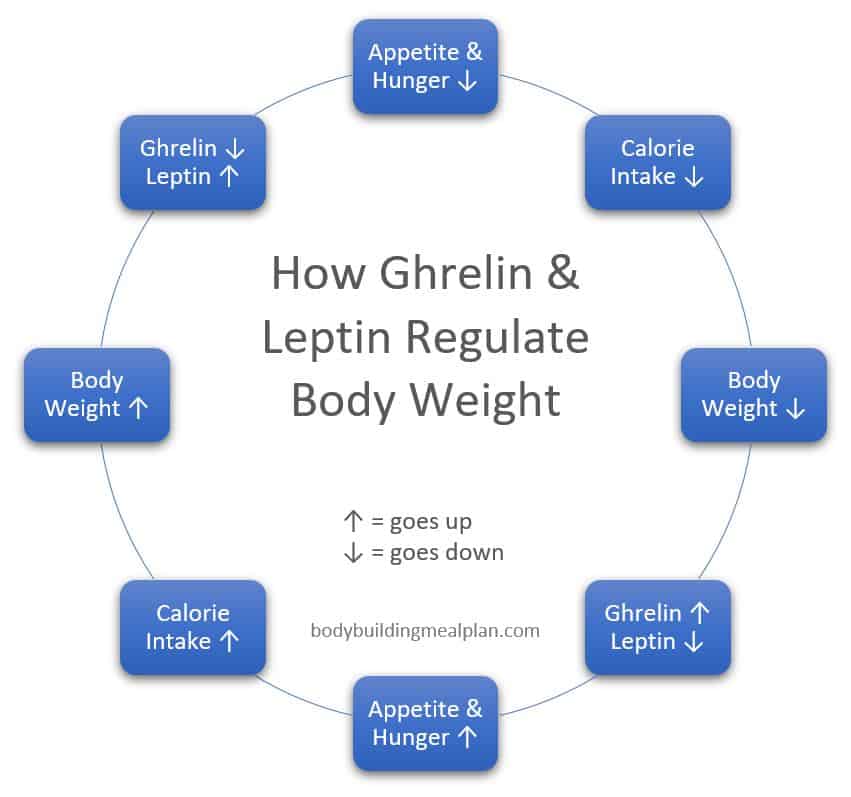
You’ve probably heard the advice: “Just eat when you’re hungry.”
While that might work for general health or maintaining weight, it usually fails during a bulk—especially for lifters who have a hard time gaining muscle.
As a hardgainer myself, I spent years eating only when I was hungry and wondering why the scale didn’t budge.
The truth is, hunger signals vary drastically between individuals and situations. Here’s why:
1. Hunger Isn’t Always a Reliable Indicator
Some people—especially ectomorphs or hardgainers like me—can eat until they’re “full” and still not hit a surplus. Their metabolism is fast, and their appetite often lags behind their energy needs.
As a younger lifter, I’d finish big meals and still lose weight. I thought I was eating a lot — and I was compared to other people — but it wasn’t enough.
On the flip side, others may feel hungry even in a calorie surplus. That can lead to overeating and excessive fat gain, especially if they’re not tracking intake or paying attention to nutrient quality.
2. Your Appetite Doesn’t Know Your TDEE
Your hunger cues are influenced by sleep, stress, hormones, and food composition—more so than how many calories you burn. That’s why “eating until full” isn’t the same as “eating enough to grow.”
Total daily energy expenditure (TDEE) is how many calories your body actually burns each day. Understanding this number is the key to going from guessing to gaining.
3. Energy Balance > Appetite
If you want to build muscle efficiently, the goal isn’t to stuff yourself or starve yourself—it’s to find your sweet spot:
- Eat slightly more than you burn
- Train effectively (and efficiently)
- Monitor your weight and strength week to week
This is where understanding your TDEE and bulking calories becomes a game-changer. It gives you an objective number to aim for, even when your appetite fluctuates.
Bottom line: Intuitive eating can work once you’ve already built awareness around your energy needs—but for bulking, it’s a recipe for frustration if you don’t first understand your numbers.

Calculating Your Bulking Calories
To know how many calories to eat for bulking, you need to start with your TDEE. This is the number of calories you burn per day based on:
- Basal Metabolic Rate (BMR): Calories burned at rest
- Normal Daily Activity: Non-exercise activities like walking, chores, and fidgeting.
- Exercise: Workout and training calories
Most calculators only consider your height, weight, and age to estimate your BMR. The glaring problem with these oversimplified formulas is that they don’t account for body composition, so if you’re a weightlifter or athlete, they grossly underestimate your calorie needs.
Other calculators also use a generic “activity multiplier” that averages out your activity level. That means you don’t get an accurate estimate of your calorie needs on workout days and rest days.
In this YouTube Short, I show how standard calculators underestimate my BMR.
Why Most Bulking Calorie Calculators Miss the Mark
Standard bulking calculators often fall short for a few reasons:
- ❌ They ignore body composition (a 200 lb lifter at 12% body fat burns more than one at 25%)
- ❌ They don’t factor in body type (ectomorphs typically need more)
- ❌ They assume your activity level is the same every day
- ❌ They offer generic surplus numbers like “add 500 calories“
That’s not good enough—especially if you want to make every calorie count.
How to Accurately Calculate Your TDEE
As a certified nutrition coach, I’ve built my TDEE calculator to include:
- ✅ Gender, weight, and body fat percentage
- ✅ Body type (ectomorph, mesomorph, endomorph)
- ✅ Training days and lifestyle activity level
- ✅ Your bulking goal (lean vs aggressive)
This gives you a much more accurate starting point—because it’s built around you.
In this YouTube Short, I show how to accurately calculate TDEE using my Nutritioneering formula.
But remember, TDEE is essentially your maintenance calorie target. To gain muscle, you need to create the optimal calorie surplus.
Finding Your Bulking Calorie Surplus
The conventional weight gain advice of adding 500 calories to your TDEE can work – but it’s not optimal. Here’s why:
A 500-calorie surplus is different for someone who burns 5,000 calories (10% surplus) than for someone who only burns 1,500 calories (33% surplus).
This arbitrary absolute value doesn’t scale with your actual calorie needs. A better solution is to use a relative calorie surplus based on a percentage of your calories.
Over the years, I’ve developed a simple surplus framework that works across all individuals and circumstances:
- 5–15% surplus for lean bulking (gain muscle with minimal fat)
- 15–25% surplus for aggressive bulking (best for hardgainers like I was)
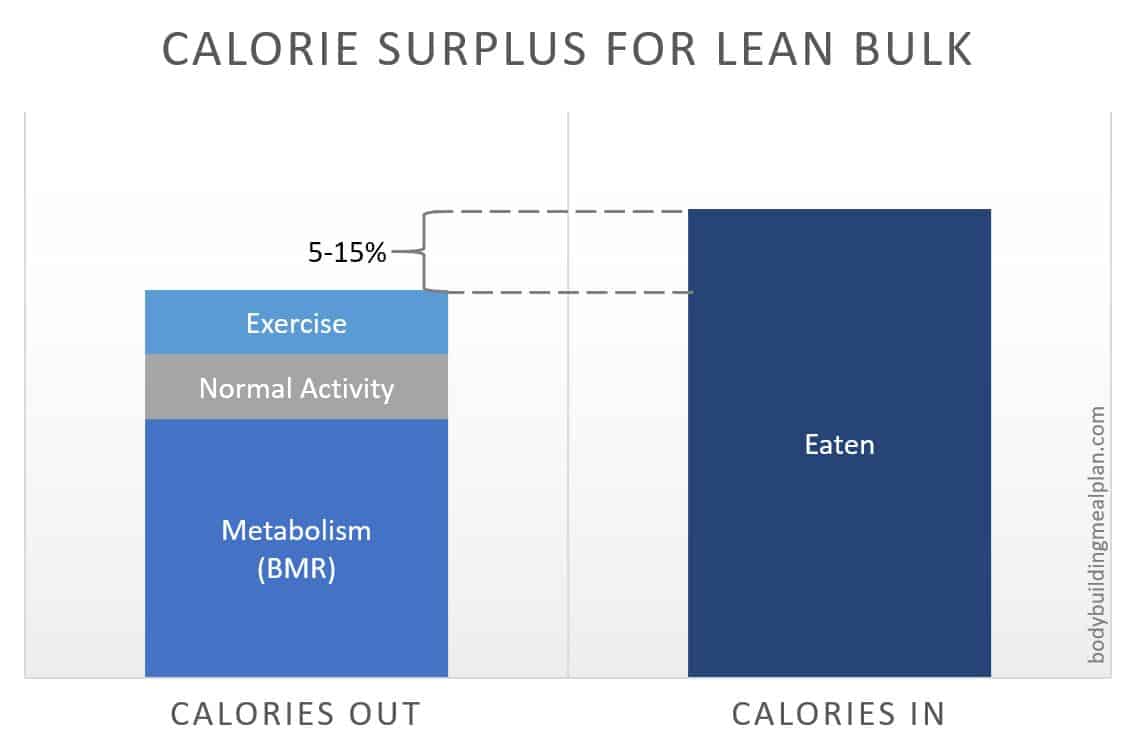
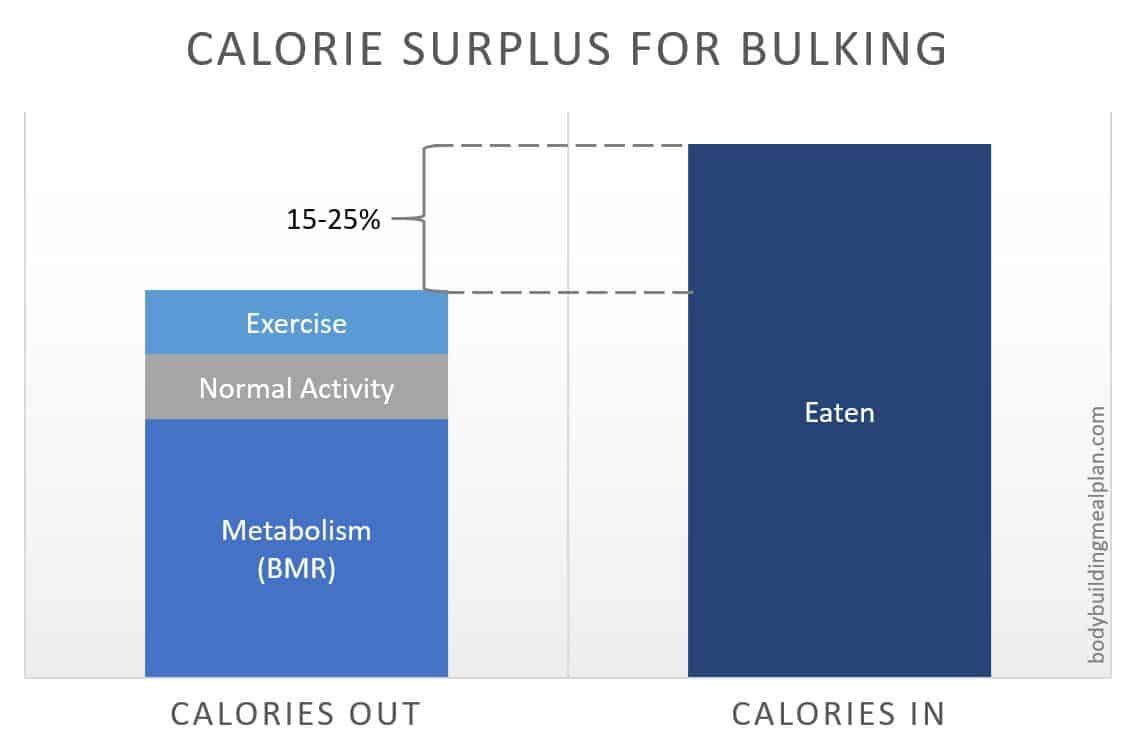
A 10% surplus may not sound like much—but for a 2,800 calorie TDEE, that’s 280 extra calories per day. Enough to build muscle without blowing up your waistline.
A 20% surplus would be 560 extra calories—better for leaner individuals or ectomorphs.
🔢 Use My Free Bulking Calorie Calculator
Ready to find your personalized bulking calorie target?
My calculator takes your unique inputs and goal and calculates your ideal calorie surplus within the 5-25% range.
Just enter your stats below and get your custom calorie goal for bulking:
Once you submit, you’ll be taken to a confirmation page with your results—along with an option to preview my custom meal plans built for bulking.
Real-World Bulking Calorie Case Studies
Let’s look at some examples to illustrate how these bulking calorie calculations actually work.
Case Study #1 – Hardgainer Agressive Bulk
I’ll use myself for this example. I weigh 172 pounds at 12% body fat and have a relatively fast metabolism (ecto-meso body type). If I’m trying to maximize weight gain, I typically aim for a 20% calorie surplus.
Here’s how my numbers shake out. I’ll round to the nearest 10 calories to keep things cleaner.
Inputs
- Weight: 172 lbs
- Body fat: 12%
- Body type: Ecto-meso
- Goal: Max weight gain
➡️ Recommended surplus: +20%
Outputs
- BMR: 1,930 calories
- TDEE: 2,690 calories
- Bulking intake: 3,230 calories
Due to my body composition and metabolic type, my BMR is higher than average for my size. Considering my desk job and short (but intense) workouts, my TDEE comes out to just under 2,700 calories.
I know this TDEE calculation is accurate because I track my actual energy expenditure using wearable fitness devices like the Apple Watch and Oura Ring. I also once tracked my calories every day for over 7 months straight!
But I digress. Applying the 20% surplus (2700*1.2), my bulking calorie intake is around 3,230 calories. That’s probably more than you would expect for a 170-pound dude, right?
Case Study #2 – Average Joe Lean Bulk
Now let’s look at another example using a guy that goes to my gym. He lifts consistently and is decent shape, but he has a slightly higher body fat percentage and slower metabolism (endo-meso body type).
In his case, I used a more conservative 10% calorie surplus to minimize any additional fat gain.
Here’s how his numbers look.
Inputs
- Weight: 205 lbs
- Body fat: 22%
- Body type: Endo-meso
- Goal: Lean gains
➡️ Recommended surplus: +10%
Outputs
- BMR: 1,840 calories
- TDEE: 2,570 calories
- Bulking intake: 2,830
Despite being more than 30 pounds heavier, his BMR is lower due to his body composition and metabolic type. As a result, his TDEE is about 120 calories less than mine at the same activity level.
Finally, using the lean bulking surplus target, his recommended calorie intake is 2,830 calories per day.
That’s 400 calories less than mine, despite his larger body size. And this example illustrates how your body composition and goals affect how much you should eat while bulking.
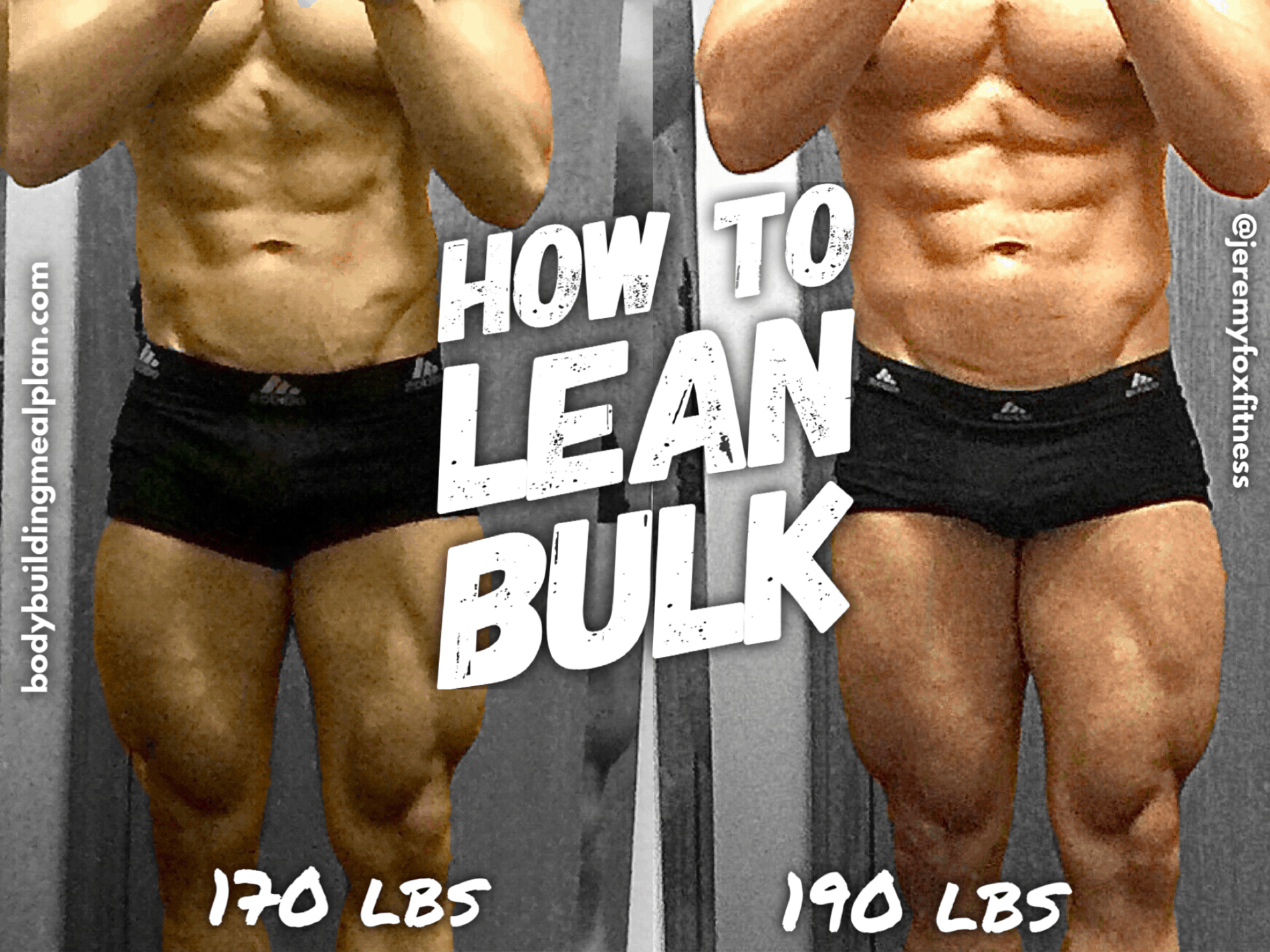
This image shows how I gained 20 pounds with minimal fat gain using lean bulking tactics.
Practical Bulking Tips
Finding your bulking calorie intake is one thing, but you also have to follow a plan to consistently hit your numbers and see results.
Apply These Bulking Best Practices
- Track your calories (for at least the first week) – Use a food log or calorie tracking app to ensure you hit your targets and figure out which foods fit your plan.
- Be Consistent – Don’t worry about being too strict on your diet or meticulous with tracking. Being 90% accurate for a few weeks is better than being 100% accurate for a few days, but falling off the wagon.
- Check Your Weight – Weigh yourself first thing in the morning at least a few times a week to gauge your progress. If you’re not gaining 0.25–1% of your body weight per week, bump up your calories as needed.
Avoid These Bulking Mistakes
Bulking is simple when you have the right blueprint. But it’s also easy to get tripped up or go off track.
Here are the most common mistakes I see:
- 🚫 Going too hard too fast – More isn’t always better. Large surpluses lead to more fat, not more muscle.
- 🚫 Over-eating on rest days – You still need a surplus on your rest days because your body grows outside the gym. But be aware that your calorie surplus target should shift down with your TDEE.
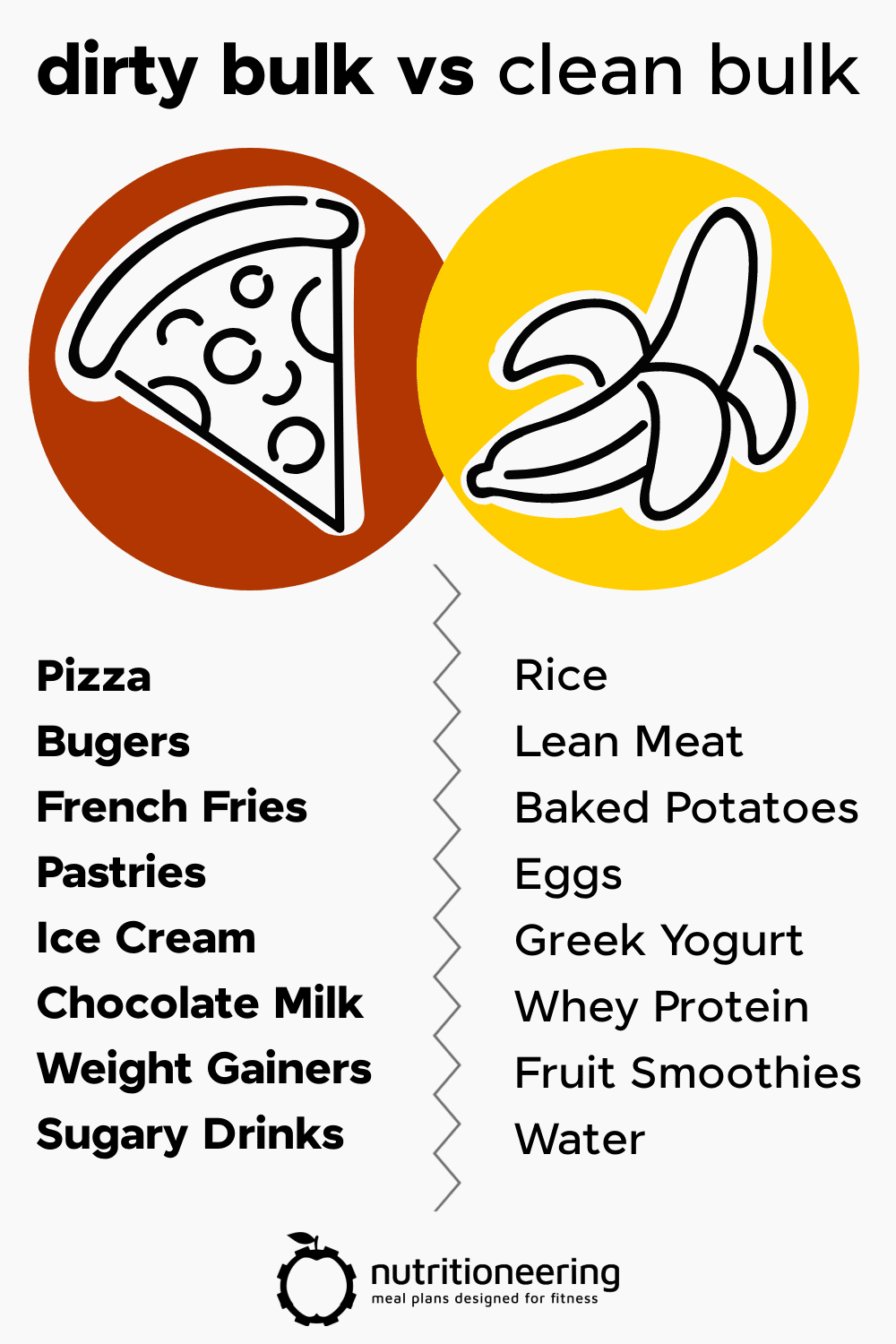
- 🚫 Tracking calories but ignoring food quality – Those donuts might fit your macros, but they won’t fuel recovery like real food.
Smarter Bulking with Less Guesswork
This is exactly why I created my macro-based bulking meal plans.
They’re built around your calorie and macro needs (calculated by the same system shown here), and they:
- ✅ Eliminate the need to track every bite
- ✅ Automatically scale recipe portions to match your targets
- ✅ Save you hours of meal prep planning
And best of all, I offer a free trial so you can test it out without committing upfront.
👉 Try the Bulking Meal Plan Free
Final Thoughts: Eat with Intention, Grow with Precision
You don’t need to blindly eat 4,000 calories a day to gain size. And you don’t need to follow someone else’s meal plan that wasn’t built for you.
The smartest way to bulk is to:
- Calculate your TDEE based on your body
- Choose a surplus based on your goal
- Stay consistent and make small adjustments as needed
Want help getting started? Use my free bulking calorie calculator to find your target, then try my custom meal plan to make hitting that target easy.